The news that the Champagne appellation area is to be extended has unleashed a torrent of anticipation and anxiety among local vintners. Converting a field of corn into a Champagne vineyard multiplies its price by a satisfying 350.
Yves Bénard, who presides the wines and spirits committee of the Institut national de l’origine et de la qualité – INAO – announced the extra communes now permitted to plant Champagne grapes. The current 319 villages are to be increased to 357. Two communes will lose their growing rights. The exact parcels will not be clear until 2015, when all the hearings and legal appeals are over.
Lawyers in the region are sharpening their wits for what will inevitably be a fantastic legal punch-up. Landowners who find that the new boundaries fall just outside their property will try to get them adjusted in their favour. Farmland sells at E5,000 a hectare whereas a hectare of AOC vineyard has been known to change hands recently at more than a million euros. The justification for each new parcel must be based on the most learned geological and oenological research. The land must have the necessary chalky or clay-chalk subsoils. It will take more than weighty scientific evidence to convince the disappointed that they not been robbed by their neighbours.
Philippe Wibrotte, director of the Comité Interprofessionnel des vins de Champagne (CIVC), told French News that the aim is to up production to meet steadily growing demand. Champagne is the highest selling French wine. Exports broke records again in 2007 with 150.9 million bottles sold in 190 countries. The quantity of grapes permitted per hectare was recently increased from 13,000kg to 15,500kg. Since 1927, when the present system was set up, there have been 33,500 hectares round Reims and Épernay in the Marne but with 25% of Champagne actually produced in the next door département of the Aube, near Troyes, and some in the Aisne and the Haute-Marne.
Wibrotte admits that the corks of the new Champagnes will not be popped until 2021 at the earliest, by which time the world economy may be totally different, so the initiative is something of a leap in the dark.
However, he stresses that the increase in area is also intended to pre-empt individual villages following the example of Fontenay-sur-Ay which individually won the right to produce Champagne in 1995 after a legal battle lasting 13 years. He is also keen to emphasise that the extension will in no way be at the expense of quality.
Champagne and legal strife go hand in hand. Wibrotte’s CIVC is eternally vigilant in defending the brand name. It was even guaranteed in the Treaty of Versailles that ended World War I. In 2002 they succeeded in stopping the Swiss village of Champagne in the Vaud (pop. 660), calling their local wine by the village name. More seriously, in 1994 and 1995, they defeated an attempt by American sparkling wine producers to have the name declared semi-generic worldwide. This would have meant the name had no geographical significance and was merely a type of sparkling wine, which could be produced anywhere by the tanker load. Champagne lovers throughout the world heaved a sigh of relief when this challenge was defeated.
Similarly, the Yves-Saint-Laurent perfume house has had to change its brand name Champagne to Yvresse. The two villages thought to be scheduled to lose their AOC status are unlikely to accept being dropped from this exclusive and uniquely profitable club without a fight.
The British drink more than any other country – 39 million bottles last year. Now the trend towards global warming could lead to competition in production from across the Channel as well, where suitable subsoils exist. Pancho Campos, president of the wine academy of Spain, speaking at a recent conference in Barcelona on wine production and climate change, said some French Champagne houses have already bought farmland in Sussex and Kent, just in case.
French News
Tuesday, May 20, 2008
Sparkling Wines
With champagne production stretched to the limits, many other countries and areas in France are cashing in on producing quality sparkling wine. The UK and Germany are leading the way in the upturn in consumption – the former drank around 63 million bottles in 2001.
By 2005 the figure had reached 90 million, set to rise by another 7.9% by 2011. All production methods, except perhaps carbonic maceration (the infamous méthode pompe bicyclette), are showing good returns. Due to automation and modern production techniques, prices remain reasonable – a far cry from the labour-intensive processes of 40 years ago.
In those days the second fermentation took place in a bottle sealed with a cork and a spring metal clip – agrafe. The stacking of wines in the cellars was done by hand. The remueur – who riddled the bottles to shake down the sediment – was the most expensive blue-collar worker in the wine trade. A lot of disgorging of the sediment was still done manually without going through the brine ice-bath, meaning additional care when disgorging. Demonstrating what could go wrong in the process was the star event for many a trade trip. You were told that once the agrafe and cork were removed the bottle was ‘live’. Giving the bottle a firm tap with the disgorging key, the demonstrator would prove his point.
So what better to drink this Easter, a time for celebration, than sparkling wine? Nowadays the choice is vast – for style, colour, sweetness, method of production, country of origin and, of course, price. Between the Northern and Southern parts of the Rhône Valley region, in the département of the Drôme, the small town of Die gives its name to a variation of the traditional method – the Méthode Dioise (or sometimes Méthode ancienne or ancestrale). For the alcohol conscious, it is an ideal wine, having only between 7.5 and 8% alcohol. The area also produces traditional method wines from 100% Clairette with the AC of Crémant de Die (until 1999 Clairette de Die).
Yet another of the excellent independent vignerons, Bérard et Maubouché at Saillans have 30ha of vines in the Drôme Valley growing grapes for producing both these styles of wines. The Domaine les Trois Becs has a fine reputation for quality. The cellars are on the main D93 from Valence to Die itself, with adequate parking, so it is an ideal stopping off point to sample and buy these wines and regional produce.
French News
By 2005 the figure had reached 90 million, set to rise by another 7.9% by 2011. All production methods, except perhaps carbonic maceration (the infamous méthode pompe bicyclette), are showing good returns. Due to automation and modern production techniques, prices remain reasonable – a far cry from the labour-intensive processes of 40 years ago.
In those days the second fermentation took place in a bottle sealed with a cork and a spring metal clip – agrafe. The stacking of wines in the cellars was done by hand. The remueur – who riddled the bottles to shake down the sediment – was the most expensive blue-collar worker in the wine trade. A lot of disgorging of the sediment was still done manually without going through the brine ice-bath, meaning additional care when disgorging. Demonstrating what could go wrong in the process was the star event for many a trade trip. You were told that once the agrafe and cork were removed the bottle was ‘live’. Giving the bottle a firm tap with the disgorging key, the demonstrator would prove his point.
So what better to drink this Easter, a time for celebration, than sparkling wine? Nowadays the choice is vast – for style, colour, sweetness, method of production, country of origin and, of course, price. Between the Northern and Southern parts of the Rhône Valley region, in the département of the Drôme, the small town of Die gives its name to a variation of the traditional method – the Méthode Dioise (or sometimes Méthode ancienne or ancestrale). For the alcohol conscious, it is an ideal wine, having only between 7.5 and 8% alcohol. The area also produces traditional method wines from 100% Clairette with the AC of Crémant de Die (until 1999 Clairette de Die).
Yet another of the excellent independent vignerons, Bérard et Maubouché at Saillans have 30ha of vines in the Drôme Valley growing grapes for producing both these styles of wines. The Domaine les Trois Becs has a fine reputation for quality. The cellars are on the main D93 from Valence to Die itself, with adequate parking, so it is an ideal stopping off point to sample and buy these wines and regional produce.
French News


Wine and food for love

Neufchâtel AOC – Fromage de Normandie
Arguably, Neufchâtel is the oldest cheese in Normandy, 1035 or 1037 AD according to some, but officially first documented in 1543/4 in the archives of Rouen’s Abbey of Saint-Armand.
The appellation contrôlée dates from 1977. Controls on the production and maturing of these cheeses are draconian. They may be made from either raw or pasteurised milk – the latter is more widely used during the winter. The legislation allows six shapes, two of which are heart-shaped. More than half the cheeses sold come in the smaller heart shape, weighing 200g.
Why heart-shaped? Again, legend mingles with fact. Legend holds that the young local ladies, to show their great admiration for the English soldiers stationed in Normandy in the Middle Ages, made and sold or gave them heart-shaped cheeses. The far less interesting fact is the cheese producers had a number of different cheese moulds including the heart shape. But, why spoil the romance?
The rind is ivory white, the heart also white, soft and smooth, with a pale yellow band towards the rind. Neufchâtel has aromas of mushroom and is slightly acidic but mild in flavour. For a good partner, try a crusty baguette and a glass of Saint-Émilion Grand Cru. A Sainte-Croix-du-Mont or other Bordeaux demi-sec also makes a good match.
Neufchâtel is made by all scales of production, from farmhouse to factory, and is on sale almost everywhere in France. The 200g heart costs between €5 and €8.
Romantic vintages
Although the softer, merlot-based Bordeaux wines are always regarded as the ideal marriage for Neufchâtel, many prefer a sweeter, but not too full, white wine – more often recommended with ewe’s milk cheeses. My old friend Pierre Montagnac, a Bordeaux wine merchant, was a great help as we went in search of wine links to the lovers’ patron saint. Here are just two for your delectation.
Château Leydet-Valentin – AC Saint-Émilion Grand Cru
The château was originally named Clos Valentin by the Nadeau family but after it was sold to cousin Bernard Leydet, it was changed first to Leydet-Figeac and then in 1983 to its present name. A second label wine Château Saint-Valentin was introduced in 1992. The vineyard covers almost nine hectares.
With traditional British love of a pun, Bernard’s surname can easily be mispronounced as ‘Lady’, making the link with February 14 even closer.
Château Leydet-Valentin is 60% merlot, 30% bouchet (the Libournais name for the cabernet franc) and 10% cabernet sauvignon. Quality is foremost in the making of any vintage here. The grapes are reduced in a severe ‘green harvest’ in July, manually picked at vintage time, and the bunches further selected at a sorting table. Fermentation on the skins usually lasts three to five weeks. After pressing, the wine is matured for 11 to 14 months in a combination of old and new oak.
This yields a wine to stir any heart: a ruby red robe, soft, black berry aromas which follow through to the palate to mingle with slightly oaky tannins in a long-lasting finish.
Château Valentin 2006 – AC Sainte-Croix-du-Mont
The family of Henri Chouvac has farmed in the area of Sainte- Croix-du-Mont for five generations. The current Henri took over from his father in 2000, after working with him for 14 years. There are now 25 hectares under vine under seven different appellations.
Château Valentin is a sweet white wine which has twice taken the Magnum d’Or prize at the Concours de Bordeaux – Vins d’Aquitaine.
The best sweet wines are made when the ‘noble’ form of the botrytis cinerea fungus has attacked the grapes. Thinskinned grapes like the sémillon are most susceptible, but the climate and weather must also be right. Not all grapes will be infected at the same time so harvesting involves a number of visits (tries) to the vineyards, and expert pickers. Henri Chouvac insists on a strict sorting procedure when the grapes arrive at the winery. With a high sugar content caused by the shrivelling of the grapes, fermentation is difficult and timeand labour-intensive.
The wine produced is pale to mid-gold in colour, with aromas of honey and tropical and dried fruit. It is lusciously sweet on the palate, with a long aftertaste. In Aquitaine, it is the traditional accompaniment to foie gras, but it also pairs well with soft, rich and blue cheeses.
French News
The Minervois takes heed and changes its image

Few wine areas can have had a speedier change of image than the Minervois: from gut rot (from the Aramon vine) to quality in one generation is quite a success story. The Midi, of which the Minervois is a part, was the ‘wine basket’ of France, producing the daily vin ordinaire. Now shrunk to 15,000 hectares, a third of which is AC, the Minervois has seen real progress, having brought in quality vines from other regions and kept the best of its own local varieties.
There are three ACs (Minervois, Minervois La Livinière and Muscat de Saint-Jean de Minervois) plus several regional and local vins de pays. Prices range from €3 to €15 a bottle. Although the Minervois AC allows white wine, 90% is red or rosé. La Livinière is red and Saint- Jean is solely Muscat-based Vin Doux Naturel (VDN).
Le Chai Port Minervois in Homps sells 150 local wines at producer prices.
A muscat and two contrasting reds
The Domaine de Barroubio, close to the Upper Languedoc regional park, has been in the Miquel family more than 500 years. Raymond Miquel, who has modernised the whole property – some 60 hectares of vines – says “My wines are for current drinking or short term storage, using modern techniques but with a quality image. This is what my customers demand and expect.”
Muscat Sec 2006 Vins de Pays d’Oc – 14% alc. Using low temperature fermentation this muscat is dry, crisp, clean and grapey, an ideal chilled aperitif. Dry muscats are very much in the ascendant in Europe.
The two red wines show the difference between the old and the new style wines.
Minervois 2005 AC - 13.5% alc.
is made from approximately one third each of carignan, grenache and syrah, grown on chalky clay. Both carbonic maceration and traditional vinification methods are used, and the result is blended. Medium bodied with aromas of berries, spice and red fruits and a long finish it is an excellent partner to lamb.
Cuvée Marie Thérèse – 2005 AC Minervois – 14% alc. Although also produced using a combination of the two fermentation methods, this wine is made up of 75% syrah and 25% grenache. Much fuller on the nose and with stronger tannins, spicy and peppery, here the comparatively recent concentration on the syrah really comes into its own. Ideal with game and beef, it will benefit from two or three years’ storage.
A lingering finish
Nicole and John Bojanowski, both Narbonne born, made their first vintage at their estate in 1999 and have gained a worldwide reputation for wine quality whether red, white or fortified.
At the Clos de Gravillas in Saint- Jean de Minervois, they produce an AC Muscat VDN by adding grape spirit to the fermenting juice thus stopping the fermentation (often called the Port method).
Douce Providence 2006 AC Muscat de Saint- Jean de Minervois – 15% alc.
This muscat VDN makes an ideal accompaniment to chocolate. Aromatic on the bouquet, lusciously sweet with hints of pineapple and tropical fruit, it has a long, lingering finish. Try it, too, with roquefort cheese.
French News
The heartland of Provence

Range of Château Berne wines
Top : rosé, white, red cuvées spéciales
Front: ‘la Viognier’, ‘Impatience’ rosé
The Château de Berne at Lorgues is a vast estate of 500 hectares, with 80 hectares of vines, olive groves, a hotel, restaurant, conference and event centre and even a wine school. It has been British-owned for the past 25 years and in July last year was bought by millionaire Mark Dixon, when incumbent Bill Muddyman decided to retire.
Dixon, a true oenophile, said he was delighted to have acquired this exceptional property in a very special part of France. His first aim was to continue to upgrade the quality of the wines, the vineyards and the exterior of the estate.
Daniel Guerin (49), viti-vini BTS graduate (Beaune), was appointed the technical director of this daunting task. His first job, before any exterior improvements, was the 2007 harvest and wine making. Innovative wine making has always been Daniel’s strength and with his first vintage at the estate, he introduced changes in blends, styles and even packaging.
Showing me around the winery and vineyards, he outlined his first major changes – in the rosé wines: “Our top-ofthe- range Cuvée Spéciale needed more fruit and balance, and I also wanted to introduce a mid-priced rosé to the list. The name chosen for this new range was ‘Impatience’. The CEO Didier Fritz said it was named after me, because of my insistence.” He then moved on to the viognier produced from the Wine School’s parcel of the vine. Both the style of wine and packaging needed change: “It is now in specially-designed 50cl bottles with a glass stopper. Viognier is very much of a cult wine at present and we have only enough to make around 4,000 bottles annually. Luckily for me, Mr Dixon has already made improvements in the winery equipment, and there is more on schedule.” The three ranges of wines, with the exception of the viognier, take the AC of Côtes de Provence. Viognier, with no recognition in the governmental AC, is a Vin de Pays du Var.
Cuvée Spéciale Rosé 2007
This rosé took a Gold Medal at the Concours Général and Silver at the International Vinalies in Paris. Made from 80% grenache and 20% cinsault, it is vinified using the cold fermentation technique. Pale rose-pink, with a stone fruit bouquet; dry, clean, fresh, with well-balanced acidity and fruit (peach, soft berries) on the palate, and a long lingering aftertaste, it is the perfect example of a modern quality rosé wine. Ideally it should be served at around 8°C as an apéritif, with a Provençal salad, or lightly grilled snapper fish.
Viognier 2007 – Vin de Pays du Var
The viognier is a shy-bearing vine yielding only 20 to 25 hectolitres per hectare. The grape itself is not the easiest to make into a quality wine. This 2007 viognier is straw-coloured, aromatic (dried apricot, peach and blossom), with the apricot and peach following through strongly on the palate and in the aftertaste. It can be drunk as dessert wine or as an apéritif. Viognier is best consumed within two years.
French News
A Modest Glass of Wine Each Day Could Improve Liver Health
UC San Diego Researchers Pose Major Shift in Thinking
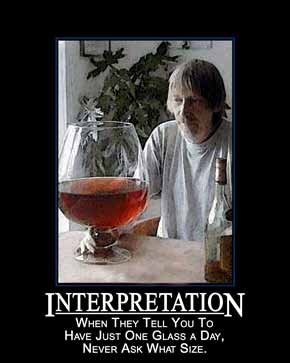
Researchers at UC San Diego School of Medicine are challenging conventional thinking with a study showing that modest wine consumption, defined as one glass a day, may not only be safe for the liver, but may actually decrease the prevalence of Non-Alcoholic Fatty Liver Disease (NAFLD).
The study, which appears in the June 2008 issue of the journal Hepatology, showed that for individuals who reported drinking up to one glass of wine per day, as compared to no alcohol consumption, the risk of liver disease due to NAFLD was cut in half. In contrast, compared with wine drinkers, individuals who reported modest consumption of beer or liquor had over four (4) times the odds of having suspected NAFLD.
NAFLD is the most common liver disease in the United States, affecting over 40 million adults. Previous research has shown that as many as five percent of adults with NAFLD will develop cirrhosis. The major risk factors for NAFLD are similar to many of the risk factors for cardiovascular disease—obesity, diabetes, high triglycerides, and high blood pressure. Multiple studies have shown that modest alcohol consumption may reduce the risk for heart disease. However, recommendations for modest alcohol consumption in individuals at risk for cardiovascular disease have overlooked that these same people are also at an increased risk for NAFLD. Thus, there exists a dilemma as to whether modest alcohol consumption for the heart is safe in regards to the liver. The UC San Diego investigators sought to clarify this important question.
“The results of this study present a paradigm shift, suggesting that modest wine consumption may not only be safe for the liver but may actually decrease the prevalence of NAFLD. The odds of having suspected NAFLD based upon abnormal liver blood tests was reduced by 50 percent in individuals who drank one glass of wine a day,” said Jeffrey Schwimmer, M.D., associate professor of gastroenterology, hepatology and nutrition, Department of Pediatrics, UC San Diego School of Medicine and Director, Fatty Liver Clinic at Rady Children’s Hospital San Diego. The result remained constant, even after adjusting for age, sex, race, education, income, diet, physical activity, body mass index, and other markers of health status.
Research did not provide any support for drinking larger amounts. “We want to emphasize that people at risk for alcohol abuse should not consider consuming wine or any other alcoholic beverage,” said Schwimmer, who also pointed out that, although this is the first study to address this important dilemma, the findings do not address those who already have liver disease and should not be drinking alcohol at all.
“Because this effect was only seen with wine, not in beer or liquor, further studies will be needed to determine whether the benefits seen were due to the alcohol or non-alcohol components of wine,” added Schwimmer.
The cross-sectional, population-based study of nearly 12,000 participants in the National Health and Nutrition Examination Survey (NHANES) included 7,211 nondrinkers and 4,543 modest alcohol drinkers. Modest alcohol consumption was defined as up to an average of one drink per day of either four ounces of wine, 12 ounces of beer, or one ounce of liquor. NHANES is a large epidemiological survey conducted by the Centers for Disease Control and Prevention (CDC). The alcohol history was obtained by a trained interviewer, in a private room, to ensure confidentiality.
The study was funded in part with grants from the National Institutes of Health National Research Service Award (NIH NRSA) and from the National Center for Research Resources of the National Institutes of Health for the General Clinical Research Center at UC San Diego.
The research team included Schwimmer, Winston Dunn, M.D., division of gastroenterology, Department of Medicine, UC San Diego and Ronghui Xu, Ph.D., Department of Family and Preventive Medicine and Department of Mathematics, UC San Diego.
Researchers at UC San Diego School of Medicine are challenging conventional thinking with a study showing that modest wine consumption, defined as one glass a day, may not only be safe for the liver, but may actually decrease the prevalence of Non-Alcoholic Fatty Liver Disease (NAFLD).
The study, which appears in the June 2008 issue of the journal Hepatology, showed that for individuals who reported drinking up to one glass of wine per day, as compared to no alcohol consumption, the risk of liver disease due to NAFLD was cut in half. In contrast, compared with wine drinkers, individuals who reported modest consumption of beer or liquor had over four (4) times the odds of having suspected NAFLD.
NAFLD is the most common liver disease in the United States, affecting over 40 million adults. Previous research has shown that as many as five percent of adults with NAFLD will develop cirrhosis. The major risk factors for NAFLD are similar to many of the risk factors for cardiovascular disease—obesity, diabetes, high triglycerides, and high blood pressure. Multiple studies have shown that modest alcohol consumption may reduce the risk for heart disease. However, recommendations for modest alcohol consumption in individuals at risk for cardiovascular disease have overlooked that these same people are also at an increased risk for NAFLD. Thus, there exists a dilemma as to whether modest alcohol consumption for the heart is safe in regards to the liver. The UC San Diego investigators sought to clarify this important question.
“The results of this study present a paradigm shift, suggesting that modest wine consumption may not only be safe for the liver but may actually decrease the prevalence of NAFLD. The odds of having suspected NAFLD based upon abnormal liver blood tests was reduced by 50 percent in individuals who drank one glass of wine a day,” said Jeffrey Schwimmer, M.D., associate professor of gastroenterology, hepatology and nutrition, Department of Pediatrics, UC San Diego School of Medicine and Director, Fatty Liver Clinic at Rady Children’s Hospital San Diego. The result remained constant, even after adjusting for age, sex, race, education, income, diet, physical activity, body mass index, and other markers of health status.
Research did not provide any support for drinking larger amounts. “We want to emphasize that people at risk for alcohol abuse should not consider consuming wine or any other alcoholic beverage,” said Schwimmer, who also pointed out that, although this is the first study to address this important dilemma, the findings do not address those who already have liver disease and should not be drinking alcohol at all.
“Because this effect was only seen with wine, not in beer or liquor, further studies will be needed to determine whether the benefits seen were due to the alcohol or non-alcohol components of wine,” added Schwimmer.
The cross-sectional, population-based study of nearly 12,000 participants in the National Health and Nutrition Examination Survey (NHANES) included 7,211 nondrinkers and 4,543 modest alcohol drinkers. Modest alcohol consumption was defined as up to an average of one drink per day of either four ounces of wine, 12 ounces of beer, or one ounce of liquor. NHANES is a large epidemiological survey conducted by the Centers for Disease Control and Prevention (CDC). The alcohol history was obtained by a trained interviewer, in a private room, to ensure confidentiality.
The study was funded in part with grants from the National Institutes of Health National Research Service Award (NIH NRSA) and from the National Center for Research Resources of the National Institutes of Health for the General Clinical Research Center at UC San Diego.
The research team included Schwimmer, Winston Dunn, M.D., division of gastroenterology, Department of Medicine, UC San Diego and Ronghui Xu, Ph.D., Department of Family and Preventive Medicine and Department of Mathematics, UC San Diego.
Monday, May 19, 2008
Trading down on wine
'Recession-proof' high-end labels, eateries feel squeeze as consumers cut costs
The wine industry likes to think of itself as recession-proof.
Wine, the story goes, is more than just a drink. It's a lifestyle, and not one that people are inclined to give up just because times are tight.
But that theory is being put to the test as waves of woe continue to wash over virtually every segment of the nation's economy.
Not only are the majority of economists convinced the nation is now in a recession, more and more seem to think it's going to be longer and deeper than previously predicted.
There are signs that California's $19 billion wine industry is already feeling the squeeze. Luxury wine sales appear particularly vulnerable as consumers facing soaring gas and food prices are eating out less and finding lower-priced wine options on supermarket shelves.
"A recession is upon us and sales growth rates will likely moderate," concludes a recent report on the industry by Silicon Valley Bank. "We believe the margin squeeze many wineries feel today may not be a short-term trend."
The report, based on a survey of more than 500 wineries, remains largely positive about the prospects for the industry's future. It predicts the wine industry as a whole will grow 4 percent to 6 percent annually.
But one worrying sign is that demand for higher-end wines -- long the fastest-growing segment of the industry -- has slowed sharply in recent months.
Sales of wines priced from $15 to $20 a bottle had been growing at about 15 percent a year, with wines above $20 growing at more than 20 percent, according to the study.
But those growth rates dropped last year to 6 percent and 12 percent respectively, the study found, citing data from Trade Pulse.
Nielsen, which tracks wine sales in supermarkets, found similar softness for high-end wines in the first quarter.
The growth rate of wines above $15 has been cut in half, according to Nielsen. On a volume basis, sales that had been growing at more than 14 percent slowed to just 7 percent for the first three months of 2008.
Slowing restaurant sales are a key reason high-end wine sales are slowing, said Jon
Fredrikson, a veteran wine industry analyst at Gomberg,
Fredrikson & Associates.
"The high rollers are not spending as much in restaurants, and certainly bankers are not out there celebrating these days," Fredrikson said.
Changing habits
The softness could be particularly painful for the North Coast wine industry, whose high-end wineries have long enjoyed prominent placement on the wine lists of the nation's best restaurants.
The National Restaurant Association has been warning for months that its members are very worried. The group's performance index dropped sharply in March, to its lowest level in five years.
"The soft economy continues to weigh on the minds of restaurant operators," said Hudson Riehle, senior vice president of research for the association.
At Syrah Bistro in Santa Rosa, chef Josh Silvers said beverage sales -- the majority of which are wine -- are down 4 percent so far this year.
Instead of dropping $30, $40, $50 or more on a bottle of wine for the table, more diners are ordering wines by the glass, which run from $7 to $15 a pour.
That's partly because of a shift in their dining habits.
Syrah, where a seven-course tasting menu with wine runs $128 a person for dinner, is finding more people coming for the less expensive lunch menu.
"People are spending a little bit less, but they still want to go out and treat themselves," Silvers said.
Wine sales at dinner are down about 6 percent, but lunch sales are up 14 percent over last year, he said.
For wineries like Sonoma's Hanzell Vineyards, which sells nearly half of its 5,000 cases to fine restaurants, the pullback is palpable.
Sticking to what's familiar
Restaurants across the country are buying about a third less wine than they have in the past, said Jean Arnold-Sessions, Hanzell's president.
That doesn't mean she's sitting on a bunch of wine she can't sell, it just means she has to work harder than ever to sell it. Arnold-Sessions must travel more to court new restaurants to make up for the drop in sales from her longtime accounts.
It's costly and tiring, but so far she's succeeding.
"The market is still there; the restaurants are still there. It's just harder work now," she said.
One force working in favor of established wineries is that many diners tend to stick with what they know when they aren't feeling flush, said John Hudson, brand director for Sonoma-Cutrer in Windsor.
With more than 80 percent of its nearly 300,000 cases sold in restaurants, the chardonnay specialist keeps a close eye on the "on-premise" market, as it is known in the industry.
"I think when times get tight, people go with what they know," Hudson said.
And even if they don't, deciding instead to try something cheaper, Hudson thinks Sonoma-Curter will win some of that business. As people slide down from the lofty heights of wines over $100 and look for value, he thinks they'll settle in comfortably to Sonoma-Cutrer's $40 to $50 restaurant range.
Retailers feel pinch
Exactly how far consumers will slide in search of less-expensive wines is a hot topic in Wine Country these days.
One of the core ideas supporting the argument of wine as recession-proof is the notion that once people get hooked on high-quality wines, they have a tough time swallowing lesser vintages.
But in today's fiercely competitive market, every winery has rivals nipping at its heels, arguing that their wines cost less but deliver just as much.
"You'll see people who on a regular basis have been drinking Kendall-Jackson at $13 and all of a sudden Blackstone is fine at $10," said Dale Stratton, vice president of strategic insights for Constellation Wines U.S., which owns Blackstone, the popular merlot brand. "Loyalty is very low in our category."
Retailers say they're seeing the trend of "trading down" very clearly.
"With the uncertainly of the economy and the future of our country, those I have talked to are watching their pennies and saving for a rainy day," said Renay Santero, wine buyer for Oliver's Markets, the chain of local groceries.
Oliver's wine sales are up overall, but growth has recently slowed and people are trading down, Santero said.
"The recent tone of the industry is that higher-end wines are sitting on our shelves a little longer than normal," she said.
Despite the pain that may cause some wineries, the wine industry is growing and will likely continue to do so, Fred-rikson said.
The weak dollar tends to make U.S. wines more affordable, in comparison to foreign wines, which bodes well for domestic wineries, he said.
In March, imports "walked off the cliff," plunging 19 percent over the same period in 2007. For the quarter, total imports were off 7 percent, he said.
And unlike the previous recession in 2001, there is currently not a glut of grapes on the market. In fact, several years of strong demand combined with limited planting of new vineyards means wine prices are far less likely to drop, Fredrikson said.
"Sales have softened a little, but it's not like we've fallen out of bed," Fredrikson said. "There is no major crisis here."
KEVIN MCCALLUM
The wine industry likes to think of itself as recession-proof.
Wine, the story goes, is more than just a drink. It's a lifestyle, and not one that people are inclined to give up just because times are tight.
But that theory is being put to the test as waves of woe continue to wash over virtually every segment of the nation's economy.
Not only are the majority of economists convinced the nation is now in a recession, more and more seem to think it's going to be longer and deeper than previously predicted.
There are signs that California's $19 billion wine industry is already feeling the squeeze. Luxury wine sales appear particularly vulnerable as consumers facing soaring gas and food prices are eating out less and finding lower-priced wine options on supermarket shelves.
"A recession is upon us and sales growth rates will likely moderate," concludes a recent report on the industry by Silicon Valley Bank. "We believe the margin squeeze many wineries feel today may not be a short-term trend."
The report, based on a survey of more than 500 wineries, remains largely positive about the prospects for the industry's future. It predicts the wine industry as a whole will grow 4 percent to 6 percent annually.
But one worrying sign is that demand for higher-end wines -- long the fastest-growing segment of the industry -- has slowed sharply in recent months.
Sales of wines priced from $15 to $20 a bottle had been growing at about 15 percent a year, with wines above $20 growing at more than 20 percent, according to the study.
But those growth rates dropped last year to 6 percent and 12 percent respectively, the study found, citing data from Trade Pulse.
Nielsen, which tracks wine sales in supermarkets, found similar softness for high-end wines in the first quarter.
The growth rate of wines above $15 has been cut in half, according to Nielsen. On a volume basis, sales that had been growing at more than 14 percent slowed to just 7 percent for the first three months of 2008.
Slowing restaurant sales are a key reason high-end wine sales are slowing, said Jon
Fredrikson, a veteran wine industry analyst at Gomberg,
Fredrikson & Associates.
"The high rollers are not spending as much in restaurants, and certainly bankers are not out there celebrating these days," Fredrikson said.
Changing habits
The softness could be particularly painful for the North Coast wine industry, whose high-end wineries have long enjoyed prominent placement on the wine lists of the nation's best restaurants.
The National Restaurant Association has been warning for months that its members are very worried. The group's performance index dropped sharply in March, to its lowest level in five years.
"The soft economy continues to weigh on the minds of restaurant operators," said Hudson Riehle, senior vice president of research for the association.
At Syrah Bistro in Santa Rosa, chef Josh Silvers said beverage sales -- the majority of which are wine -- are down 4 percent so far this year.
Instead of dropping $30, $40, $50 or more on a bottle of wine for the table, more diners are ordering wines by the glass, which run from $7 to $15 a pour.
That's partly because of a shift in their dining habits.
Syrah, where a seven-course tasting menu with wine runs $128 a person for dinner, is finding more people coming for the less expensive lunch menu.
"People are spending a little bit less, but they still want to go out and treat themselves," Silvers said.
Wine sales at dinner are down about 6 percent, but lunch sales are up 14 percent over last year, he said.
For wineries like Sonoma's Hanzell Vineyards, which sells nearly half of its 5,000 cases to fine restaurants, the pullback is palpable.
Sticking to what's familiar
Restaurants across the country are buying about a third less wine than they have in the past, said Jean Arnold-Sessions, Hanzell's president.
That doesn't mean she's sitting on a bunch of wine she can't sell, it just means she has to work harder than ever to sell it. Arnold-Sessions must travel more to court new restaurants to make up for the drop in sales from her longtime accounts.
It's costly and tiring, but so far she's succeeding.
"The market is still there; the restaurants are still there. It's just harder work now," she said.
One force working in favor of established wineries is that many diners tend to stick with what they know when they aren't feeling flush, said John Hudson, brand director for Sonoma-Cutrer in Windsor.
With more than 80 percent of its nearly 300,000 cases sold in restaurants, the chardonnay specialist keeps a close eye on the "on-premise" market, as it is known in the industry.
"I think when times get tight, people go with what they know," Hudson said.
And even if they don't, deciding instead to try something cheaper, Hudson thinks Sonoma-Curter will win some of that business. As people slide down from the lofty heights of wines over $100 and look for value, he thinks they'll settle in comfortably to Sonoma-Cutrer's $40 to $50 restaurant range.
Retailers feel pinch
Exactly how far consumers will slide in search of less-expensive wines is a hot topic in Wine Country these days.
One of the core ideas supporting the argument of wine as recession-proof is the notion that once people get hooked on high-quality wines, they have a tough time swallowing lesser vintages.
But in today's fiercely competitive market, every winery has rivals nipping at its heels, arguing that their wines cost less but deliver just as much.
"You'll see people who on a regular basis have been drinking Kendall-Jackson at $13 and all of a sudden Blackstone is fine at $10," said Dale Stratton, vice president of strategic insights for Constellation Wines U.S., which owns Blackstone, the popular merlot brand. "Loyalty is very low in our category."
Retailers say they're seeing the trend of "trading down" very clearly.
"With the uncertainly of the economy and the future of our country, those I have talked to are watching their pennies and saving for a rainy day," said Renay Santero, wine buyer for Oliver's Markets, the chain of local groceries.
Oliver's wine sales are up overall, but growth has recently slowed and people are trading down, Santero said.
"The recent tone of the industry is that higher-end wines are sitting on our shelves a little longer than normal," she said.
Despite the pain that may cause some wineries, the wine industry is growing and will likely continue to do so, Fred-rikson said.
The weak dollar tends to make U.S. wines more affordable, in comparison to foreign wines, which bodes well for domestic wineries, he said.
In March, imports "walked off the cliff," plunging 19 percent over the same period in 2007. For the quarter, total imports were off 7 percent, he said.
And unlike the previous recession in 2001, there is currently not a glut of grapes on the market. In fact, several years of strong demand combined with limited planting of new vineyards means wine prices are far less likely to drop, Fredrikson said.
"Sales have softened a little, but it's not like we've fallen out of bed," Fredrikson said. "There is no major crisis here."
KEVIN MCCALLUM
Subscribe to:
Posts (Atom)