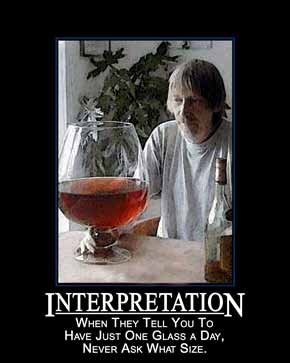
Hello Bacchus. I got carried away last night after bumping into the gentleman from the Booze Bibbing Order of Bácchus that you have in the photo. Man those guys are serious winos! My liver is hanging by the hook.
Wino
Sunday, June 15, 2008
Saturday, June 14, 2008
THE TEMPLE OF BACCHUS

This is the Temple of Bacchus located in the Lebanese city of Baalbeck, dating back 5000 years.


Youthful exuberance lifts U.S. wine industry
The great news for the U.S. wine industry is that young Americans are drinking copious amounts of wine. The no-so-great news is that they are a fickle lot.
Vintners -- even those in the most established wine regions like California's Napa Valley -- say they have to work hard to get their attention and bring about brand loyalty. Making great wine does not suffice.
"They choose their wines based on newer projects, the hip "in" names, the things that are different, a unique story," said Wesley Steffens, 31, who manages his family's new Vineyard 7 & 8 winery on the hills over Napa Valley.
Wine consumption in the United States has risen each year for the past 14 years and the fastest growing segment of drinkers today is the "Millennial Generation" -- those who started reaching adulthood around the year 2000.
Vintner Kathleen Heitz Myers, president of long-time Napa Valley winery Heitz Cellars, said this tech-savvy generation "doesn't want to be told what to drink."
"They like to do the research themselves on the Internet," she said as she chaired Napa's famous wine auction weekend earlier this month.
AFTER 'TWO BUCK CHUCK'
The United States is expected to overtake France as the No. 1 world wine consumer in the short term. And although France has much higher per capita consumption, young people there are drinking less wine and more spirits.
"The Millennials started with these extreme value wines, like 'Two Buck Chuck' ($2 Charles Shaw wine), that were supposed to kill the business, but hasn't killed it at all," said Garen Staglin, who owns the high-end winery Staglin Family Vineyard.
"Instead of starting out drinking beer in college, people are starting out drinking wine in college."
Even with his winery's established clout, Staglin tries to appeal to the new generation of drinkers by offering them "the experience" -- like tours at his hillside estate where the movie "The Parent Trap," starring Linsday Lohan, was filmed.
Judd Finkelstein's family has been making Napa wine for a few decades and gave him the label "Judd's Hill" to run. He jokes that his parents put his name on the wine just to keep him engaged in the family business.
"The marketplace and industry have changed so much," said Finkelstein, 36. "We don't quite have the brand loyalty among consumers. I find myself being out and about a lot more."
Finkelstein organizes events at the winery with live music and has a national barbecue champ on his staff cook up meals.
"There is a new energy," he said. "Usually I am in Hawaiian shirts and I've got my ukulele and we try to have a lot of fun around the winery."
But there is also a serious side to the youthful wine imbibing.
"There are a lot of young wine drinkers nowadays who are starting to be the next generation of collectors," said Vineyard 7 & 8's Steffens.
Mary Milliken
Vintners -- even those in the most established wine regions like California's Napa Valley -- say they have to work hard to get their attention and bring about brand loyalty. Making great wine does not suffice.
"They choose their wines based on newer projects, the hip "in" names, the things that are different, a unique story," said Wesley Steffens, 31, who manages his family's new Vineyard 7 & 8 winery on the hills over Napa Valley.
Wine consumption in the United States has risen each year for the past 14 years and the fastest growing segment of drinkers today is the "Millennial Generation" -- those who started reaching adulthood around the year 2000.
Vintner Kathleen Heitz Myers, president of long-time Napa Valley winery Heitz Cellars, said this tech-savvy generation "doesn't want to be told what to drink."
"They like to do the research themselves on the Internet," she said as she chaired Napa's famous wine auction weekend earlier this month.
AFTER 'TWO BUCK CHUCK'
The United States is expected to overtake France as the No. 1 world wine consumer in the short term. And although France has much higher per capita consumption, young people there are drinking less wine and more spirits.
"The Millennials started with these extreme value wines, like 'Two Buck Chuck' ($2 Charles Shaw wine), that were supposed to kill the business, but hasn't killed it at all," said Garen Staglin, who owns the high-end winery Staglin Family Vineyard.
"Instead of starting out drinking beer in college, people are starting out drinking wine in college."
Even with his winery's established clout, Staglin tries to appeal to the new generation of drinkers by offering them "the experience" -- like tours at his hillside estate where the movie "The Parent Trap," starring Linsday Lohan, was filmed.
Judd Finkelstein's family has been making Napa wine for a few decades and gave him the label "Judd's Hill" to run. He jokes that his parents put his name on the wine just to keep him engaged in the family business.
"The marketplace and industry have changed so much," said Finkelstein, 36. "We don't quite have the brand loyalty among consumers. I find myself being out and about a lot more."
Finkelstein organizes events at the winery with live music and has a national barbecue champ on his staff cook up meals.
"There is a new energy," he said. "Usually I am in Hawaiian shirts and I've got my ukulele and we try to have a lot of fun around the winery."
But there is also a serious side to the youthful wine imbibing.
"There are a lot of young wine drinkers nowadays who are starting to be the next generation of collectors," said Vineyard 7 & 8's Steffens.
Mary Milliken
Chilean Wine Associations Vinnova S.A. & Tecnovid S.A. Sign Wine Accord with the University of California, Davis to Study Sustainability, Wine Flavors
Today the premier wine research organizations of Chile, Vinnova S.A. and Tecnovid S.A., and the Department of Viticulture and Enology of the University of California, Davis, signed an accord to conduct joint studies on sustainability, energy efficiency, green winemaking, wine flavors and phenolics, as well as the economics of the wine industry. The President of Chile, Michele Bachelet, Governor of California, Arnold Schwarzenegger, and the Chancellor of the University of California, Davis, Larry Vanderhoef attended the ceremony.
Chile is one of the leading wine producers in the world and is currently the fifth largest exporter to the United States. The agreement brings together Vinnova S.A. and Tecnovid S.A., (established by the Universidad de Chile, the Pontificia Universidad Catolica de Chile, the Universidad de Talca, the Universidad Tecnico Federico Santa Maria, and the Universidad de Concepcion) with the Department of Viticulture and Enology of the University of California, Davis - one of the premier wine research centers in the world. The central valley of Chile and northwestern coast of the United States, ranging from northern California to Washington State, share similar climactic conditions and principal grapes varieties grown, and can benefit from sharing best practices and joint research.
Rafael Guilisasti, President of Vinnova, S.A., Patricio Middleton, President of Tecnovid S.A., and Neal Van Alfen, Dean of the College of Agricultural and Environmental Sciences, University of California, Davis, signed the accord. The Chilean delegation also included the Chilean Ambassador to the United States, Mariano Fernandez, and Rene Merino, President of Wines of Chile. Ambassador Fernandez is one of the foremost Chilean wine experts and is a member of the Academie International du Vin, Cofradia del Merito Vitivinicola de Chile, as well as the Honorary President of the Chilean Association of Sommeliers. Mr. Merino leads the association of Chilean wineries, Wines of Chile, and is also President of Casa Tamaya, a winery located in Chile's Limari Valley.
"This partnership between Vinnova, S.A., Tecnovid, S.A. and the University of California, Davis will produce globally important knowledge and practical applications to address some of the most critical issues facing the wine industry today," said Mr. Merino. "The evolution of winemaking calls for greater attention to sustainable winemaking practices as energy usage, carbon footprints and climate change take on greater importance."
This accord signals the next phase in Chile's long history of working with the top oenologists and winemakers in the world, beginning in the mid 19th century when rootstocks were brought to the South American country from Bordeaux. Economic liberalization in the late 1980s gave way to a rebirth of international wine research, investment and wine partnerships in Chile with top wineries from Napa, Bordeaux, Spain, Italy, and Australia. In the 1990s Chile imported more winemaking technology than any other wine producing country. With a greater understanding of Chilean terroir in new winemaking regions, and the rediscovery of Carmenere, the diversity and quality of Chilean wines has improved dramatically. Today Chile produces critically acclaimed Cabernet Sauvignon, Carmenere, red blends and Sauvignon Blanc, among other varietals.
Following the ceremony, a toast was lead by President Bachelet and Chancellor Vanderhoef with Chilean and California wines. The Chancellor hosted a luncheon at his residence for the Chilean and California delegations. The menu featured Chilean Sea Bass and Sauvignon Blanc from the Casablanca and Leyda Valleys in Chile.
Wines of Chile
Chile is one of the leading wine producers in the world and is currently the fifth largest exporter to the United States. The agreement brings together Vinnova S.A. and Tecnovid S.A., (established by the Universidad de Chile, the Pontificia Universidad Catolica de Chile, the Universidad de Talca, the Universidad Tecnico Federico Santa Maria, and the Universidad de Concepcion) with the Department of Viticulture and Enology of the University of California, Davis - one of the premier wine research centers in the world. The central valley of Chile and northwestern coast of the United States, ranging from northern California to Washington State, share similar climactic conditions and principal grapes varieties grown, and can benefit from sharing best practices and joint research.
Rafael Guilisasti, President of Vinnova, S.A., Patricio Middleton, President of Tecnovid S.A., and Neal Van Alfen, Dean of the College of Agricultural and Environmental Sciences, University of California, Davis, signed the accord. The Chilean delegation also included the Chilean Ambassador to the United States, Mariano Fernandez, and Rene Merino, President of Wines of Chile. Ambassador Fernandez is one of the foremost Chilean wine experts and is a member of the Academie International du Vin, Cofradia del Merito Vitivinicola de Chile, as well as the Honorary President of the Chilean Association of Sommeliers. Mr. Merino leads the association of Chilean wineries, Wines of Chile, and is also President of Casa Tamaya, a winery located in Chile's Limari Valley.
"This partnership between Vinnova, S.A., Tecnovid, S.A. and the University of California, Davis will produce globally important knowledge and practical applications to address some of the most critical issues facing the wine industry today," said Mr. Merino. "The evolution of winemaking calls for greater attention to sustainable winemaking practices as energy usage, carbon footprints and climate change take on greater importance."
This accord signals the next phase in Chile's long history of working with the top oenologists and winemakers in the world, beginning in the mid 19th century when rootstocks were brought to the South American country from Bordeaux. Economic liberalization in the late 1980s gave way to a rebirth of international wine research, investment and wine partnerships in Chile with top wineries from Napa, Bordeaux, Spain, Italy, and Australia. In the 1990s Chile imported more winemaking technology than any other wine producing country. With a greater understanding of Chilean terroir in new winemaking regions, and the rediscovery of Carmenere, the diversity and quality of Chilean wines has improved dramatically. Today Chile produces critically acclaimed Cabernet Sauvignon, Carmenere, red blends and Sauvignon Blanc, among other varietals.
Following the ceremony, a toast was lead by President Bachelet and Chancellor Vanderhoef with Chilean and California wines. The Chancellor hosted a luncheon at his residence for the Chilean and California delegations. The menu featured Chilean Sea Bass and Sauvignon Blanc from the Casablanca and Leyda Valleys in Chile.
Wines of Chile
NEW WORLD WINE GAINING IN POPULARITY
The International Organization for Vine and Wine (OIV) forecasts that the Southern Hemisphere will grow 5% to 51.4 million hectoliters in 2008. They expect a rise in the Southern Hemisphere's share of world wine exports to almost 25%. Key markets include the U.S., Britain and Germany.
Production growth is helped by "aggressive marketing," according to the report. Some Chilean producers are even molding their wines to appeal to the U.S. palate, as consumption in the U.S. steadily rises.
Wine & Spirits Daily
Production growth is helped by "aggressive marketing," according to the report. Some Chilean producers are even molding their wines to appeal to the U.S. palate, as consumption in the U.S. steadily rises.
Wine & Spirits Daily
Subscribe to:
Posts (Atom)